Cannabis Receptors and the Endocannabinoid System
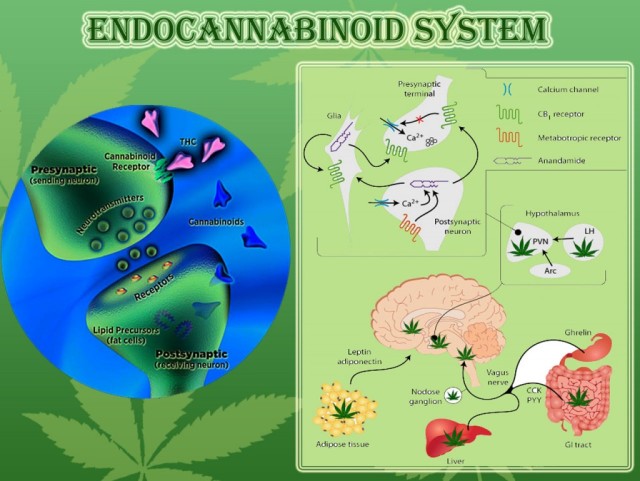
How cannabis receptors are affected in the brain's endocannabinoid system. When we smoke, eat or consume parts of the cannabis plant that contain THC, the chemical is released...
Topic
234 articles
How cannabis receptors are affected in the brain's endocannabinoid system. When we smoke, eat or consume parts of the cannabis plant that contain THC, the chemical is released...
A very wealthy family from Australia donated a cool 33.7 million dollars to the University of Sydney. This money, dubbed the Lambert Initiative, is to be expressly used for cannabis research.
A long-standing bureaucratic obstacle to privately-funded medical marijuana research has just been removed, effective immediately. The Department of Health and Human Services determined that the PHS review process is redundant with the FDA review, and that...
While on the surface it appears that SAM might be coming around to a modern understanding of cannabis with this report, I'm skeptical. I cannot disregard the long history that Patrick Kennedy and Kevin Sabet (lead brains at SAM) have against cannabis and their strong opposition to legalization.
National Geographic took a deep look at the science of weed and even made it the cover story of their most recent issue. When it comes to apolitical science-based journalism, you'd be hard pressed to find a magazine with more integrity and respect than Nat Geo.
A group opposed to pot legalization unveiled proposals on Thursday for the U.S. government to ease restrictions on scientific research into marijuana's potential as medicine, after three U.S. Senators this year introduced a bill that would require the federal government to recognize pot's medical value and allow states to set their own medical cannabis policies.
While researching into how cannabis interacts with other drugs in the brain, scientists inadvertently discovered why coffee and getting high go so well together. Caffeine reinforces the effects with THC, potentially making it more pleasurable and/or requiring less THC to achieve the same effect.
Legalization keeps rolling ahead. But because of years of government roadblocks on research, we don’t know nearly enough about the dangers of marijuana—or the benefits. This week’s TIME cover story examines how little we actually know about marijuana’s effects on our ...
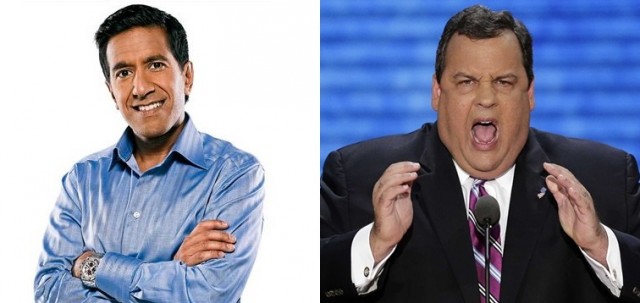
The canyon between actual truth (science) and fear-mongering (politicking) is beautifully displayed by two recent high-profile individuals. In the corner for science, we have Dr. Sanjay Gupta. In the corner of politics, we have New Jersey Governor, Chris Christie.
Many are screaming "hypocrisy," and with good reason. How can the U.S. government continue to classify cannabis as a Schedule I drug while simultaneously admitting, at last, to its medicinal benefits?
In a move which may have been made in response to federal pressure to expand options for US researchers trying to study the effects of herbal cannabis on the human body, the National Institute on Drug Abuse (NIDA) has announced a wider selection of federally-sanctioned research cannabis, available either in bulk or as individually wrapped cigarettes.
Bethany is on a regimen of anti-epileptics and steroids that are causing her to gain unhealthy weight, have mood swings, insomnia and a compromised immune system.
Last week, Nevada state Senator Tick Segerblom introduced a bill in the Nevada legislature that would allow pets to use medical marijuana.
A push to legalize medical marijuana at the federal level is gaining momentum in the Senate, drawing a growing roster of co-sponsors from both parties just over a week after it was unveiled. The Compassionate Access, Research Expansion, and Respect States (CARERS) Act would provide dispensaries with access to the banking system and ...
Scientists who study medical marijuana will soon have access to a wider variety of strains. The National Institute of Drug Abuse (NIDA) — the federal "dealer" that supplies the drug to scientists — has received numerous complaints from researchers that the drug they supply is too weak compared with what's sold on the streets, legal or otherwise.
The bill is a serious step in the right direction that would reclassify cannabis from a schedule I (no medical benefits, high rate of addition) to a schedule II drug and would allow states to set up their own laws governing cultivation and sale.
A new study was released last week showing that smoking skunk-type cannabis can increase the risk of psychotic episodes. Unfortunately for the researcher, and the legion of journalists who wrote about it without fact-checking the study, the study’s methodology and definitions are entirely hogwash.
Compared with other recreational drugs — including alcohol — marijuana may be even safer than previously thought. And researchers may be systematically underestimating risks associated with alcohol use. Those are the top-line findings of recent research published in the journal Scientific Reports, a subsidiary of Nature.